

America's total student loan balance fell by roughly $7 billion in the second quarter, landing at approximately $1.65 trillion. That's a genuinely notable data point after years of the balance only moving in one direction. It's arriving alongside a policy shift that's reshaping repayment for millions of borrowers, which means the decline reflects a change in the system's plumbing as much as it reflects any underlying improvement in borrower financial health.
A federal court blocked the Department of Education from implementing the SAVE repayment plan back in March, and starting July 1, loan servicers began notifying borrowers on SAVE that they have 90 days to enroll in a different, legally valid repayment plan. Anyone who doesn't act within that window gets automatically shifted into either the Standard plan or a new Tiered Standard plan. For borrowers who had structured their monthly budgets around SAVE's income-driven payment calculations, this is a forced transition with real near-term financial consequences, not just an administrative footnote.
Sponsored by Brownstone Research
This could be bigger than Tesla and SpaceX combined
Editor’s Note: Jeff Brown and Marc Chaikin, two investment legends who picked Nvidia 10 years ago, are predicting that by the end of this month, Elon Musk’s new AI breakthrough will collide with a strange market pattern with a flawless 100% track record of massive market gains. Click here to see the details or read more below because the last time this happened everyday folks had a chance to turn $10,000 into as much as $350,000 in just about 12 months.
Dear Reader,
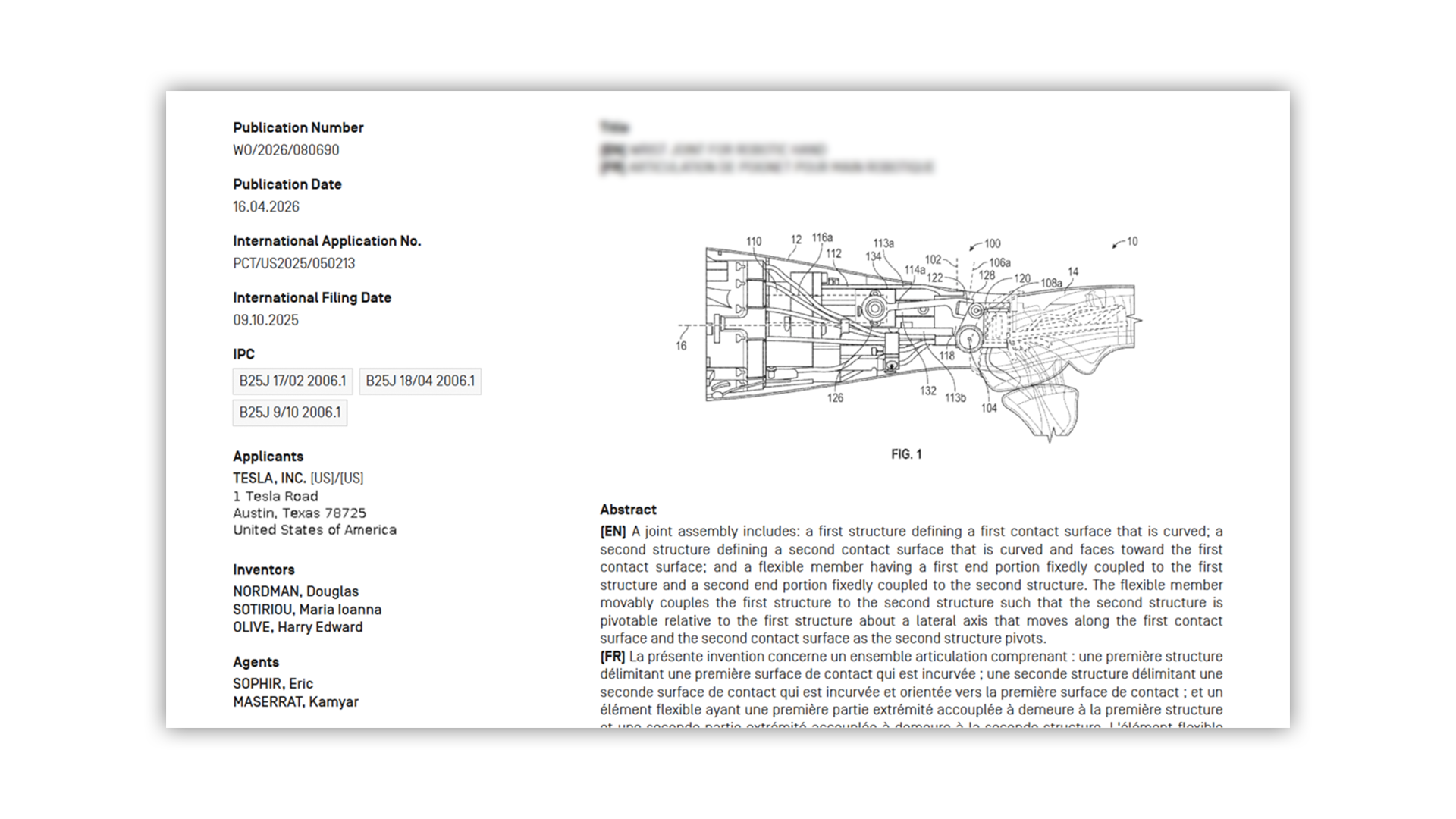
Take a look at Elon Musk’s new patent below…
Because it protects a new invention that could rewrite the future of wealth forever.
I’m talking about a radical new form of AI I call “M.A.G.I.”
One so revolutionary that Elon called it an “infinite money glitch.”
Click here to see the details because he believes this is a once-in-a-generation opportunity to create wealth on a scale most people can’t even comprehend.
What’s the upside potential here?
I know this is going to sound crazy…
But Elon is projecting growth of over 7,000,000%.
Let that sink in.
That’s enough to turn $100 into more than $7 million.
This sounds absolutely insane.
But then again… everything Elon has ever done sounded insane at first.
Self-driving cars.
Reusable rockets that land themselves.
Brain chips that let paralyzed people control computers with their minds.
Crazy ideas.
But he turned them into trillion-dollar realities.
So here’s the real question…
Will you watch Elon build another empire from the sidelines…
Or will you finally position yourself to potentially become one of the winners in his next trillion-dollar revolution?
Click here to get the details because I believe Elon will flip the switch on this new invention by the end of this month.
We have so much to look forward to,
Jeff Brown
Founder & CEO, Brownstone Research
The forgiveness piece moving in the other direction
Separately, more than 170,000 borrowers are set to receive roughly $11 billion in relief through the Borrower Defense program, following a case originally filed back in 2019 on behalf of borrowers who alleged they were misled or defrauded by their schools. That's a meaningful one-time reduction to the aggregate balance, and it's arriving in the same window as the SAVE transition, which makes disentangling how much of the quarterly decline came from forgiveness versus faster repayment or reduced new borrowing a genuinely difficult exercise using the aggregate number alone.
Education Secretary Linda McMahon has been explicit about the administration's broader direction here, stating that American taxpayers should no longer cover other people's student loans. That framing signals the SAVE plan's income-driven, subsidy-heavy structure is unlikely to return in a similar form, regardless of how the current legal fight over its specific implementation resolves.
The Standard and Tiered Standard plans that SAVE borrowers are being funneled toward generally calculate payments differently than an income-driven plan does, often based more heavily on the loan balance and a fixed repayment term rather than a percentage of discretionary income. For borrowers with lower incomes relative to their debt load, that structural difference alone can mean a materially higher required monthly payment, independent of anything else changing in their financial situation.
Why "delinquencies falling" doesn't settle the debate
Reports pointing to falling delinquencies alongside the declining balance suggest repayment behavior may be stabilizing after pandemic-era relief programs wound down. That's a genuinely encouraging signal on its own. It's worth reading alongside the forced SAVE transition currently in progress, though, since borrowers who haven't yet moved to a new plan and get automatically defaulted into Standard or Tiered Standard could see their required monthly payment rise substantially compared to what SAVE had calculated, a shift that hasn't fully worked through the delinquency data yet given how recently the 90-day notices went out.
Whitmore's Watchlist:
SLM (SLM Corporation): A major private student lender whose loan book sits adjacent to, and is influenced by, shifts in federal loan policy.
NAVI (Navient Corporation): A loan servicing company with direct operational exposure to exactly the kind of repayment plan transition currently underway.
XLY (Consumer Discretionary Select Sector SPDR Fund): Broader consumer spending exposure, relevant given how monthly student loan payments compete directly with discretionary spending in household budgets.
The One Big Beautiful Bill Act changes are the other half of this
Separate from the SAVE litigation, changes to federal student loan policy tied to the One Big Beautiful Bill Act took effect July 1 as well, updating how the Department of Education administers loans going forward. Combined with the SAVE transition and the McMahon-era policy tone, borrowers are navigating multiple simultaneous changes to how their debt gets calculated, serviced, and potentially forgiven, all within the same few months.
That density of overlapping changes lands hardest on borrowers with the least financial flexibility to absorb a payment shock, which loops back to the same K-shaped divide showing up elsewhere in consumer credit data right now. A higher-income borrower who can simply pay more each month if required experiences this transition very differently than one already stretched thin, even though both are nominally subject to the same policy change.
Whitmore's Take: A shrinking student loan balance sounds like unambiguously good news, but a meaningful share of this quarter's decline traces back to a specific court case and a forced repayment plan transition rather than a broad improvement in borrower finances. Worth watching the next couple of quarters closely before reading this as a durable trend.

The Coffee Producer Riding 26X Growth (Sponsored by Green Coffee Company)
Written by Daniel Whitmore
Millionaire Insiders